Garden Connect Club
Welcome to the Garden Connect Club, a nonprofit organization dedicated to providing children with opportunities to explore the beauty of nature and discover the joys of gardening. Our mission is to educate and inspire kids to develop a deep connection with plants, understand the importance of pollinators, and cultivate their own produce. Join us in this incredible journey of discovery and growth, and let's sow the seeds of a greener, more sustainable future together!

Nature Discovery Activities
Engage your child in a range of exciting nature-based activities that foster curiosity and creativity. From planting and nurturing seeds to observing the magic of growth, our club offers hands-on experiences that teach valuable skills and ignite a passion for the natural world.


Growing Together in the Community
At Garden Connect Club, we actively promote community engagement through interactive events, workshops, and collaborative gardening projects. Connect with other families, share gardening insights, and contribute to the beauty and sustainability of our local environment. Together, we can sow the seeds of a brighter and greener tomorrow.
Kids Connect
Help care for our Planet!
Introducing our Heroes...
The Pollinators
 HUMMINGBIRDS(Ruby-throated Hummingbird) Tiny birds with super-fast wings! They sip sweet nectar from flowers and carry pollen on their beaks—helping plants grow new seeds. |  BUTTERFLIES(Monarch Butterflies) Colorful and gentle, butterflies drink nectar with their long tongues. As they flutter from flower to flower, they spread pollen along the way. |  MOTHS(Cecropia Moth) Moths are like nighttime butterflies. They pollinate flowers that bloom after dark, using their fuzzy bodies to move pollen around. |
|---|---|---|
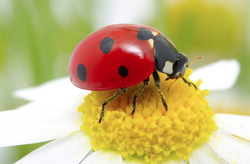 BEETLESLadybugs mostly eat plant pests like aphids, but when they visit flowers, they sometimes help with pollination too. Plus—they’re great garden friends! |  BEES(Common Eastern Bumble Bee) Bees are buzzing pollinator champions! They collect nectar and pollen to feed their hive and help tons of fruits and flowers grow |  FLIES(Hoverflies) These flies look like tiny bees, but they don’t sting! They zoom around flowers and hover in the air like little helicopters. As they sip nectar, they spread pollen just like bees do. |
DID YOU KNOW? 1 OUT OF EVERY 3 BITES OF FOOD YOU EAT IS THERE BECAUSE OF POLLINATORS
Pollinator Plants
 BUTTERFLY WEEDThis bright orange flower is a butterfly favourite—especially for monarchs! It grows in sunny spots and helps feed hungry pollinators. |  MILK WEEDMilkweed is a super important plant for monarch butterflies. It's the only plant where they lay their eggs—and their caterpillars love to munch the leaves! | 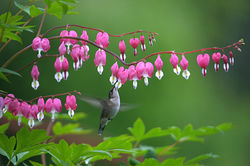 BLEEDING HEARTThese heart-shaped pink or white flowers dangle like little valentines. Bees and hummingbirds love to sip their nectar in the shade! |
|---|---|---|
 WILD BERGAMOTAlso called bee balm, this plant has fluffy purple-pink flowers. It smells minty and brings bees, butterflies, and hummingbirds buzzing in! |  SCARLET BEEBALMThis bright red flower is like a beacon for hummingbirds! It smells good and gives pollinators a tasty treat. | 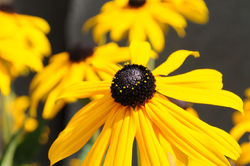 CONE FLOWERSConeflowers look like big daisies with spiky centers. Bees, butterflies, and even birds visit them for food all summer long! |
DID YOU KNOW? THERE ARE OVER 200,000 TYPES OF POLLINATORS!
Stay safe from...
The Villains
HARMFUL BUGS
 APHIDSAphids are tiny bugs that suck the juice out of plants. They can hurt gardens by making plants weak and sick. |  MOSQUITOSMosquitoes are flying insects that bite people and animals to drink blood. Their bites can itch a lot, and some can spread diseases, so it’s best to avoid them. |  TICKSTicks are small bugs that stick to skin and suck blood. They can carry sicknesses like Lyme disease, so it’s important to check for them after playing in tall grass or the woods. |
|---|---|---|
 DEER FLIESDeer flies are buzzing biters with big eyes and fast wings. They love warm weather and will fly around people and animals. Their bites can really hurt and swell up. Wear a hat and bug spray to keep them away! |  YELLOW JACKETSYellow jackets are wasps with black and yellow stripes. They can sting many times and get aggressive if their nest is bothered. They love sweet drinks and food, so watch out at picnics! |  BLACK WIDOWSBlack widows are shiny black spiders with a red hourglass shape on their belly. Their bite is poisonous, so it’s best to stay away and tell an adult if you see one. |
✅ Safety Tips for Exploring Outside
-
Stay on trails
-
Don’t touch unknown plants or bugs
-
Wear long pants and sleeves
-
Use bug spray
-
Ask an adult if you're unsure
POISONOUS PLANTS
 POISON IVY (Summer)Poison ivy has three shiny leaves. Touching it can make your skin red and itchy with a rash. Remember: "Leaves of three, let it be!" |  POISON IVY (Fall) |  SPOTTED WATER HEMLOCKThis plant looks like a pretty wildflower, but it’s super poisonous—even a little bit can be deadly. Never touch or taste wild plants unless a grown-up says it's safe. |
|---|---|---|
 WILD PARSNIPWild parsnip has yellow flowers and looks harmless, but its sap can burn your skin if you're in the sun. Ouch! Stay away from it in fields and ditches. |  GIANT HOGWEEDGiant hogweed is a huge plant with white flowers. Its sap can cause painful burns and blisters if it gets on your skin in sunlight. Look, but don’t touch! |  STINGING NETTLEThis plant has tiny hairs that sting like a bee when you touch it. It can make your skin red, itchy, and tingly. Wear long sleeves if you're exploring the woods! |


